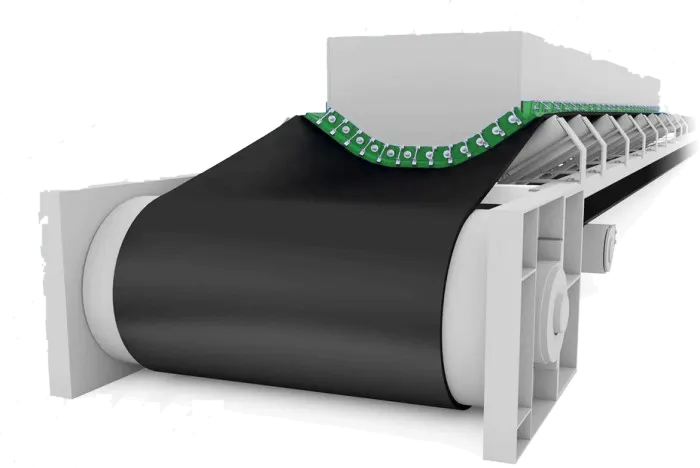




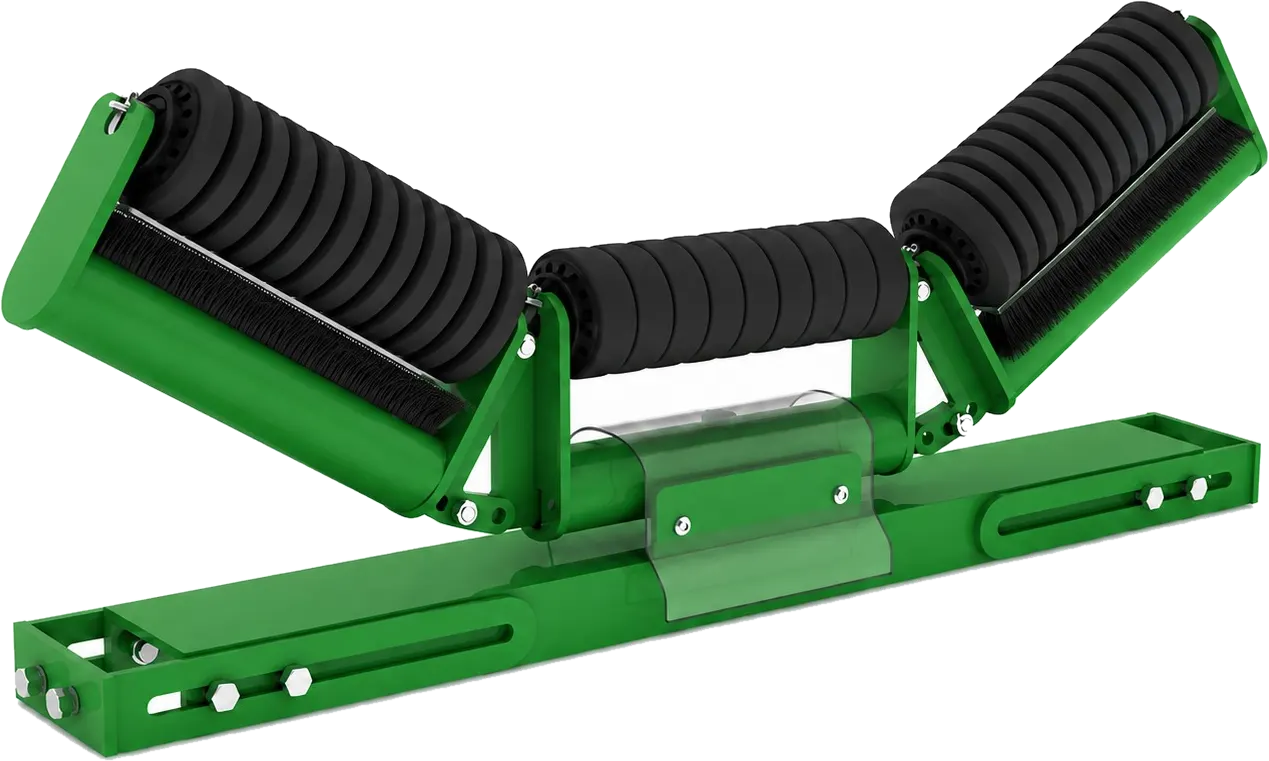
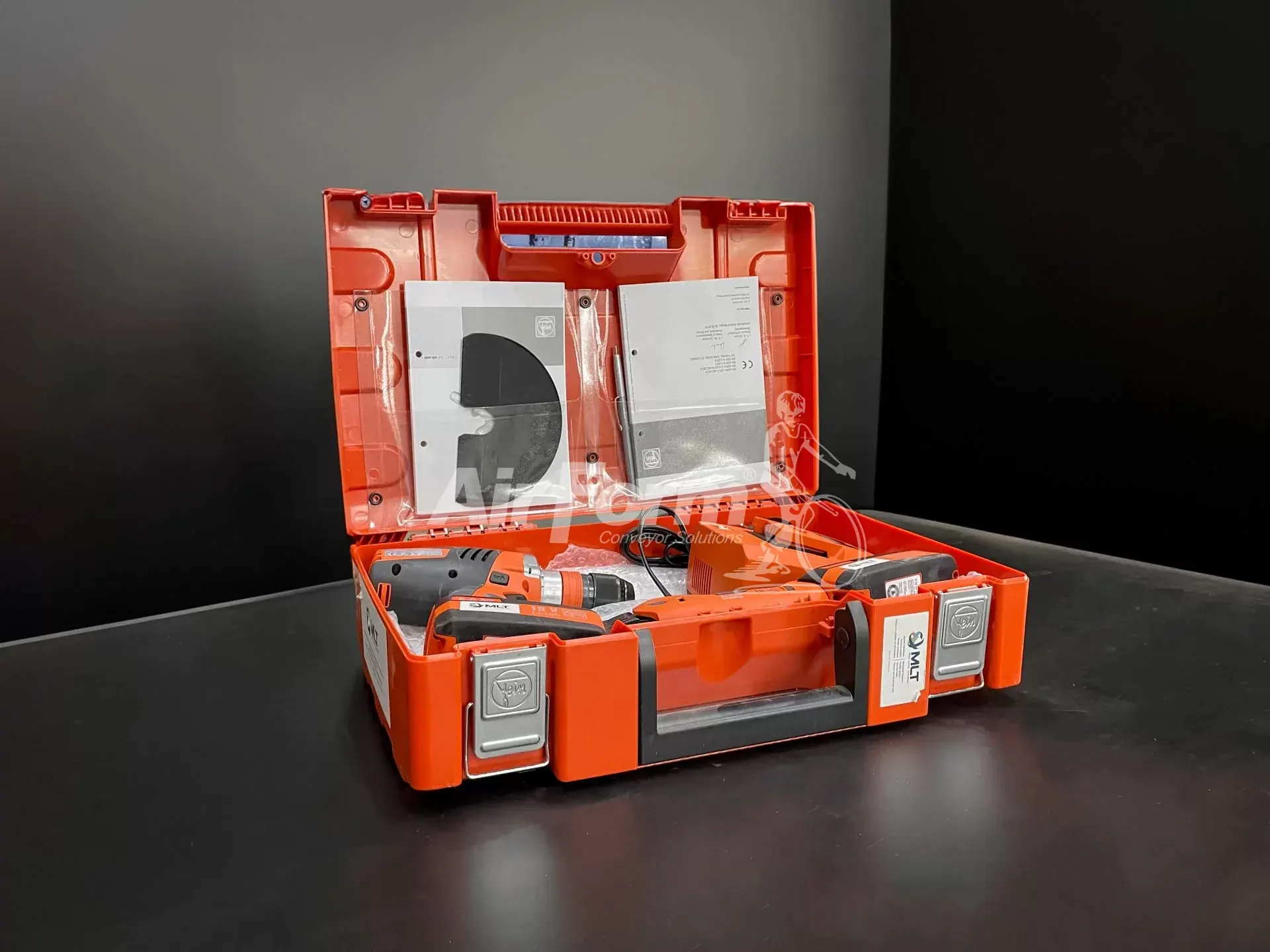
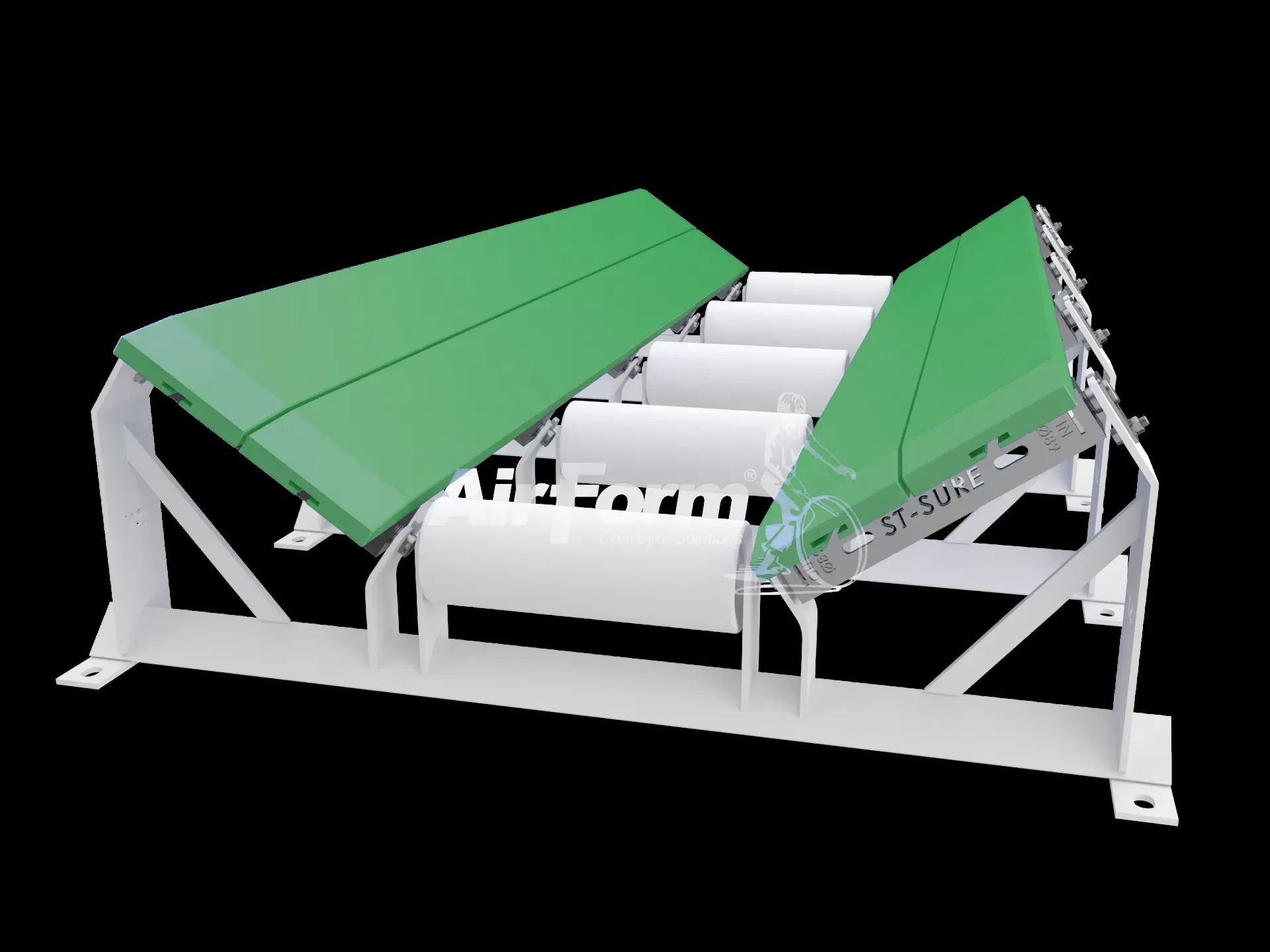
Schematic 3D view; not to scale.
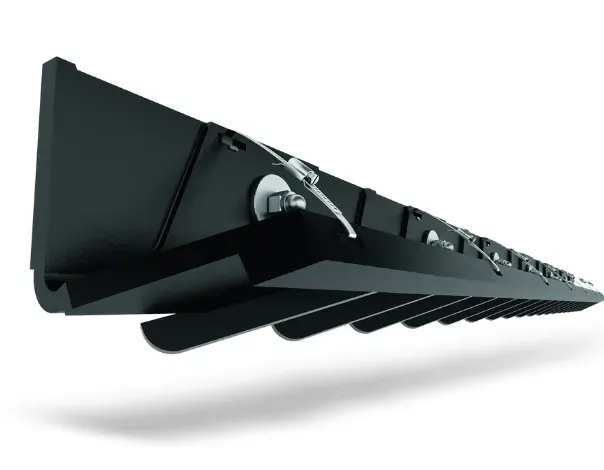
AIRFORM SHIELD Conveyor impact bed
Belt support at the loading point
The AIRFORM SHIELD impact bed is placed under the belt at the loading point. It absorbs the impact of falling material and keeps the belt from sagging.
- Impact absorption: the belt is protected from impact damage
- Prevents belt sag: no gap opens at the edge
- Supports the skirt sealing
- Place on the line
- Loading point
- Recommended for
- 10 industries (of 14)
- Datasheet
- Request with the short form
Overview
What is AIRFORM SHIELD?
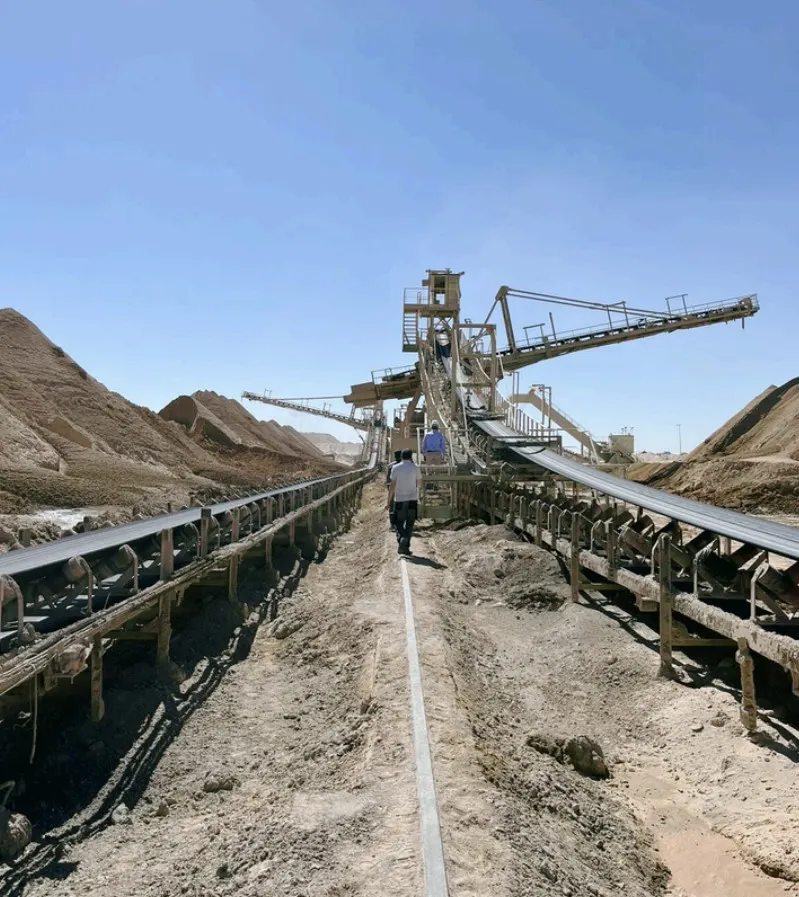
The AIRFORM SHIELD impact bed is placed under the conveyor belt at the loading point. The loading point is where material falls onto the belt, and dust, spillage and impact damage occur there. Falling material strains the belt and causes it to sag.
AIRFORM SHIELD absorbs the impact of falling material and keeps the belt from sagging. Because the belt does not sag, no gap opens between the belt edge and the skirt sealing, which strengthens the side sealing. The product installs quickly and is low in cost.
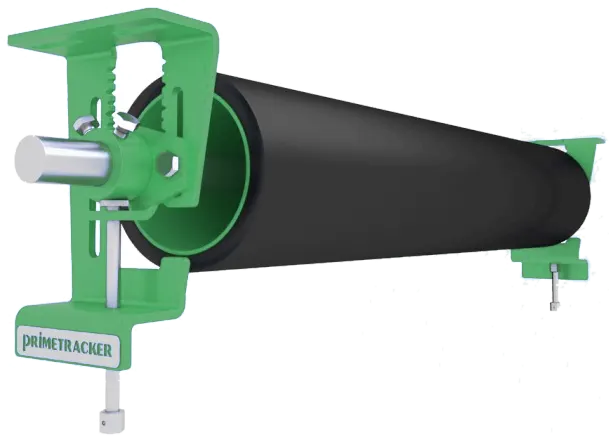
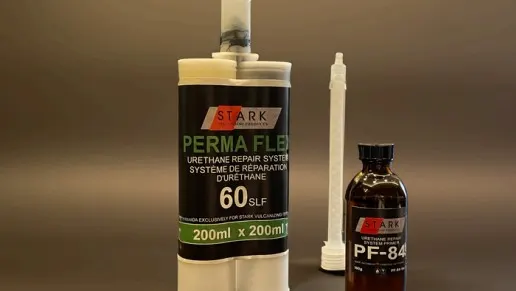
When spillage at the loading point is addressed, sealing, belt support and tracking are considered together. AIRFORM SHIELD can therefore be considered together with the AIRFORM SEAL SIDE contactless skirt sealing system and the AIRFORM AXIS 360 belt tracking idler. Belt damage caused by impact is repaired with AIRFORM FILL repair compound.
Features
Key features
Impact absorption
AIRFORM SHIELD absorbs the impact of falling material at the loading point, protecting the belt from impact damage.
Prevents belt sag
The belt does not sag at the loading point, so no gap opens between the belt edge and the sealing.
Supports side sealing
A belt that stays flat helps the skirt sealing system work properly along the belt edge.
Quick installation
AIRFORM SHIELD installs quickly, so the line does not have to stop for long.
Benefits
- Reduced impact
- Prevents belt sag
- Stronger side sealing and support for the skirt sealing
- Quick installation
- Low cost
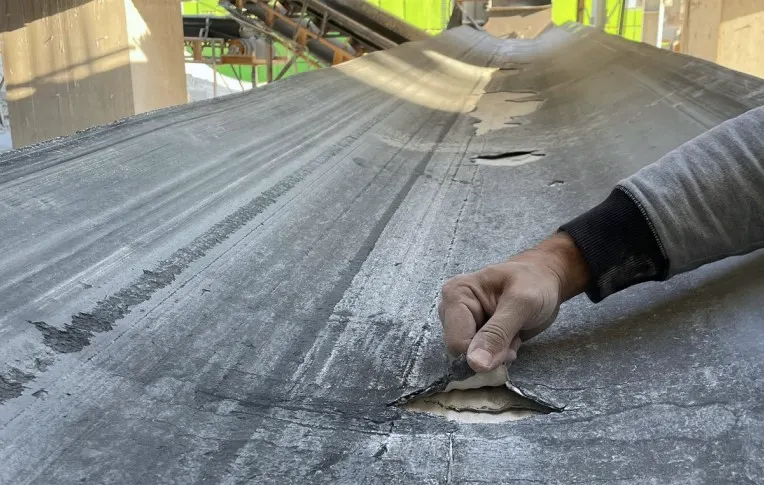
- Less impact damage on the belt
Applications
Loading point
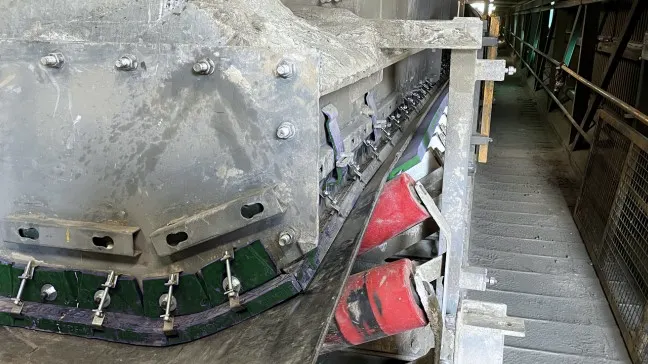
AIRFORM SHIELD is placed under the belt at the loading point, where material falls onto the belt.
Impact damage
The impact bed absorbs impact where falling material strains the belt and causes it to sag.
Spillage control
When spillage at the loading point is addressed, AIRFORM SHIELD is considered together with skirt sealing and tracking.
Recommended for
Used together with
Technical information
- Position
- Under the belt at the loading point
- Function
- Impact absorption and belt support
Place on the line
Loading point
Dust, spillage and impact damage occur where material lands on the belt.
Related problems
Supporting services
Frequently asked questions
For questions specific to your line, you can contact our technical team.
What is AIRFORM SHIELD?
Where is AIRFORM SHIELD installed?
Does AIRFORM SHIELD help the skirt sealing?
How does AIRFORM SHIELD help against spillage at the loading point?
Does installing AIRFORM SHIELD take long?
Where on a conveyor line is AIRFORM SHIELD used?
Which problems does AIRFORM SHIELD address?
AIRFORM SHIELD is recommended for these problems:
- Material spillage: Material leaving the belt at the loading point
- Impact damage: Impact of falling material at the loading point
Which industries is AIRFORM SHIELD used in?
Related products
-
-