



Product catalogue 2026
Belt cleaning and tracking
Scrapers and a tracking idler for the head pulley and the return strand: 4 products, with their technical values and their place on the conveyor line.
- 01Primary Belt Scraperp. 05
- 02Secondary Belt Scraperp. 07
- 03V-Plough Scraperp. 09
- 04Three-Roll Tracking Idlerp. 11

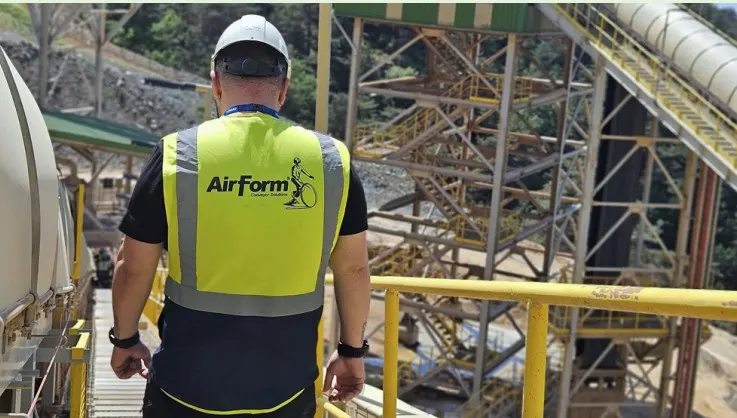
From Switzerland to Türkiye, since 1977
Airform was founded in Switzerland by A. Kerim Erkan as AirGomm Förderband und Förderanlage, and has operated in Türkiye as Air-Form Konveyör Bant San. Tic. Ltd. Şti. since 1977. Our founder's experience and research remain the basis of our work today.
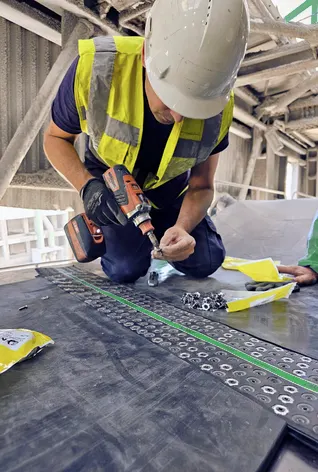
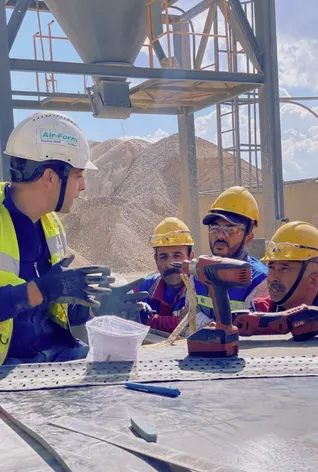
We supply conveyor belts, belt scrapers, skirt sealing, belt splicing and repair products for heavy and light industry. Our technical team selects products to suit your line dimensions and the material carried.
- 1977Start of operations in Türkiye
- 49years of experience
- 8product groups
- 4services: survey, installation, training, lagging
Where on the line?
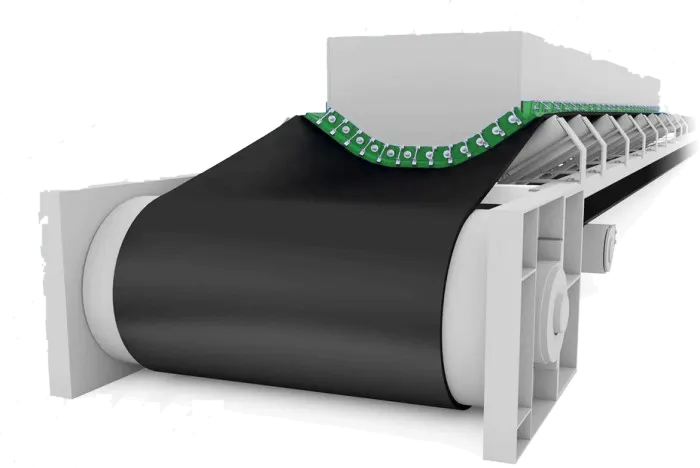
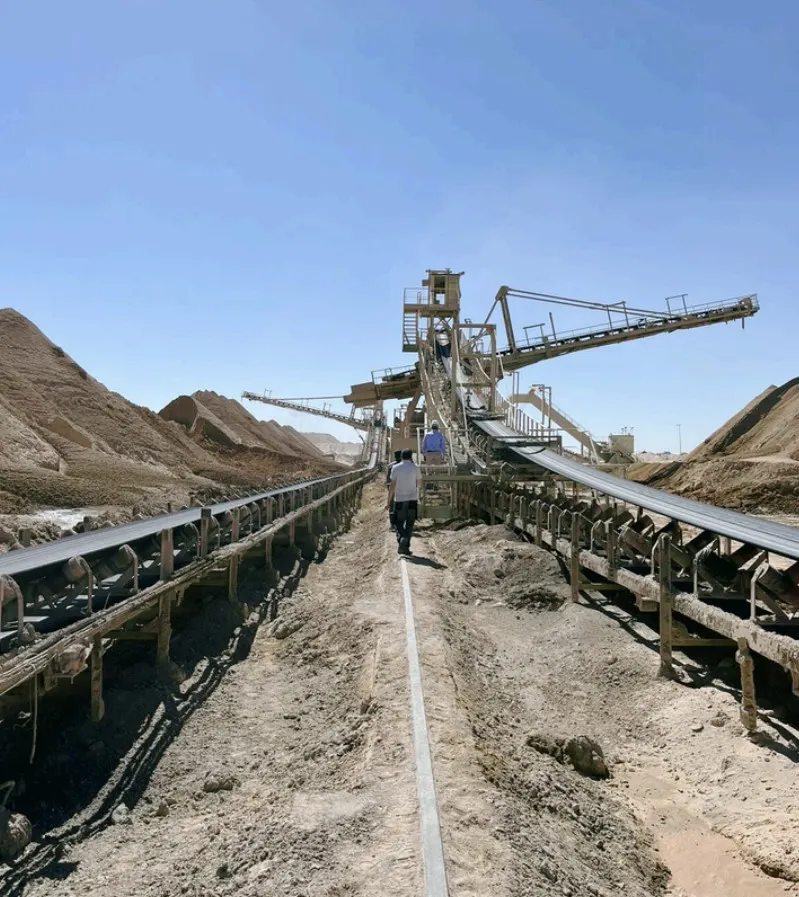
A conveyor line has five sections, from the loading point to the return strand. The products in this catalogue work in the marked ones.
Sections of this catalogueOther sections of the line
-
1Head pulley
If it is not cleaned off, material stuck to the belt is carried onto the return strand, gets into the pulleys and wears the pulley surface.
-
2Return strand
Mistracking (the belt running off to one side) damages the belt edges; material that falls onto the inner face of the return belt can get into the tail pulley and idlers.
First cleaning at the head pulley
Primary Belt Scraper
The primary scraper carries out the first cleaning at the head pulley, where the belt discharges, and removes the large pieces stuck to the belt surface.
- Position
- Head pulley, material discharge point
- Cleaning stage
- First stage (primary)
- Construction
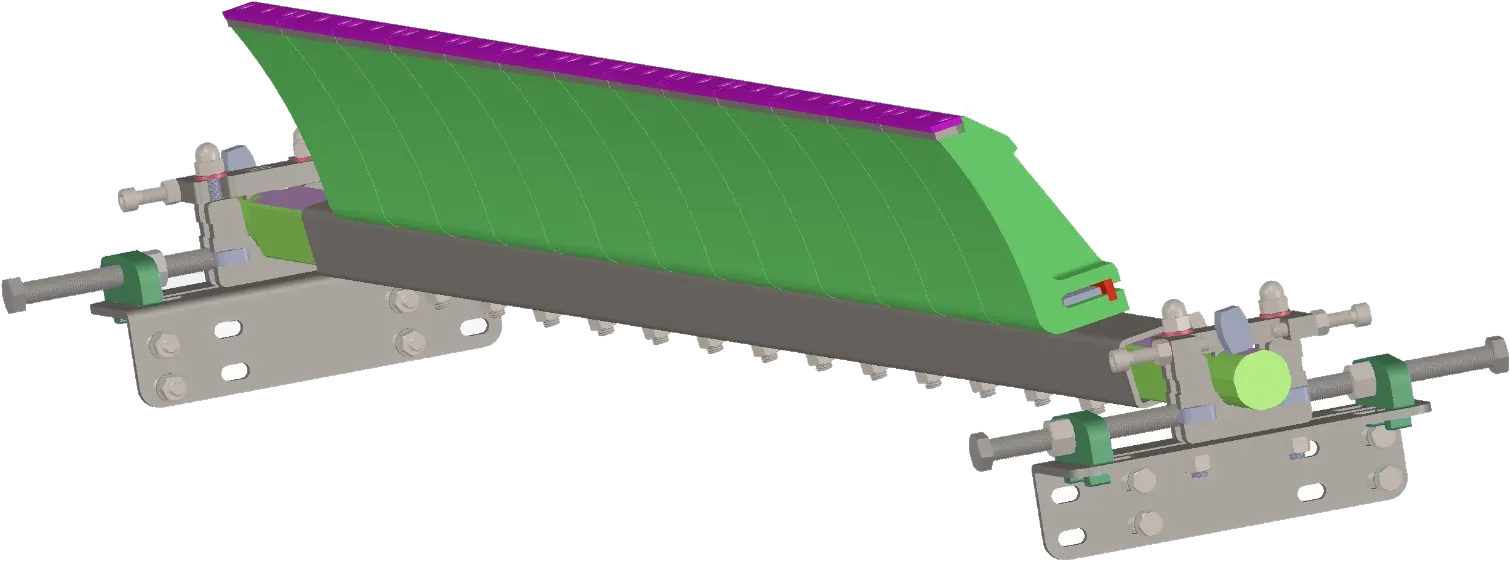
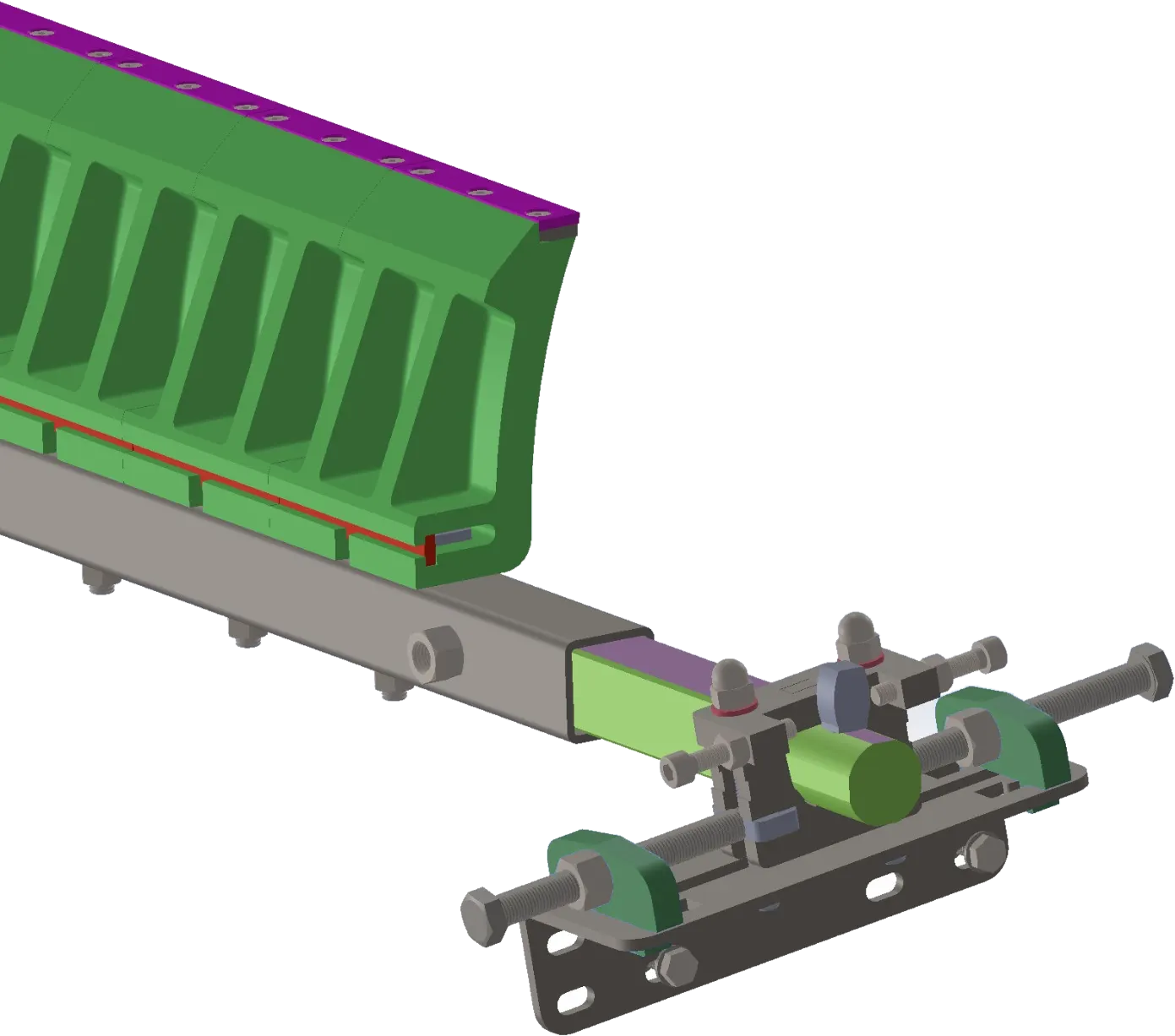
- Segmented body, row of tips, carrier profile, tensioning arrangement on each side
- Selection criteria
- Material type, working conditions, belt speed and width
Place on the line: Head pulley
Product page: airform.com.tr/en/products/belt-scrapers/primary-scraper/
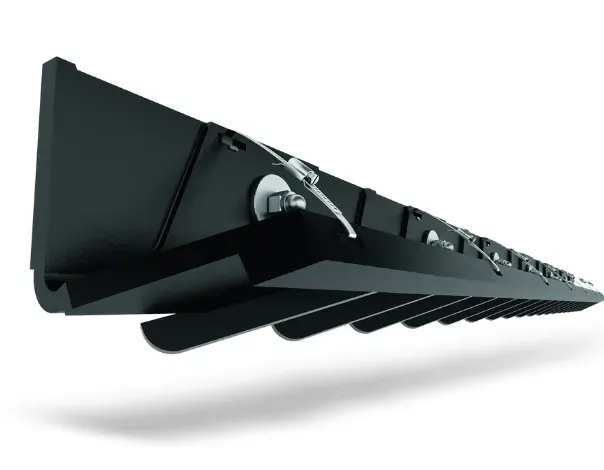
Primary Belt Scraper
How it is built
First cleaning stage
The primary scraper removes large pieces at the head pulley, leaving mainly fine particles for the next stage.
Segmented body
The body is made of segments: a worn segment is replaced on its own, not the whole blade.
Row of tips
The tips that bear on the belt are set in a row, so cleaning covers the belt width.
Tensioning on each side
The tensioning arrangement on each side presses the scraper against the belt and allows the contact pressure to be adjusted.
By belt width
| Belt width, mm | 400 | 500 | 650 | 800 | 1000 | 1200 | 1400 | 1600 | 1800 | 2000 |
|---|---|---|---|---|---|---|---|---|---|---|
| Scraping width, mm | 378 | 504 | 630 | 756 | 882 | 1134 | 1260 | 1512 | 1638 | 1890 |
| Number of blades | 3 | 4 | 5 | 6 | 7 | 9 | 10 | 12 | 13 | 15 |

Second cleaning for fine particles
Secondary Belt Scraper
The secondary scraper carries out the second cleaning after the primary scraper and removes the fine particles the primary leaves on the belt surface.
- Position
- Head pulley, after the primary scraper
- Cleaning stage
- Second stage (secondary)
- Construction
- Row of lamellas on a pipe carrier, adjustable mounting plate on each side
- Selection criteria
- Material type, working conditions, belt speed and width
Place on the line: Head pulley
Product page: airform.com.tr/en/products/belt-scrapers/secondary-scraper/

Secondary Belt Scraper
How it is built
Second cleaning stage
The secondary scraper works after the primary scraper and removes the fine particles the primary leaves.
Lamellas on a pipe carrier
The lamellas are fixed in a row to a pipe carrier, so cleaning covers the belt width.
Adjustable mounting plates
The adjustable mounting plates on each side allow the position of the scraper relative to the belt to be set.
Protection against fine material
Because fine particles are removed from the belt surface, the wear they cause is reduced.
Applications
Cleaning after the primary scraper
The secondary scraper is used at the head pulley for the second cleaning stage, after the primary scraper.
Lines with fine residue
On lines where fine particles remain on the belt surface, the secondary scraper reduces the wear they cause.
Reducing carryback
The secondary scraper helps reduce the material stuck to the belt that is carried onto the return strand and into the pulleys.

Moves material aside on the return strand
V-Plough Scraper
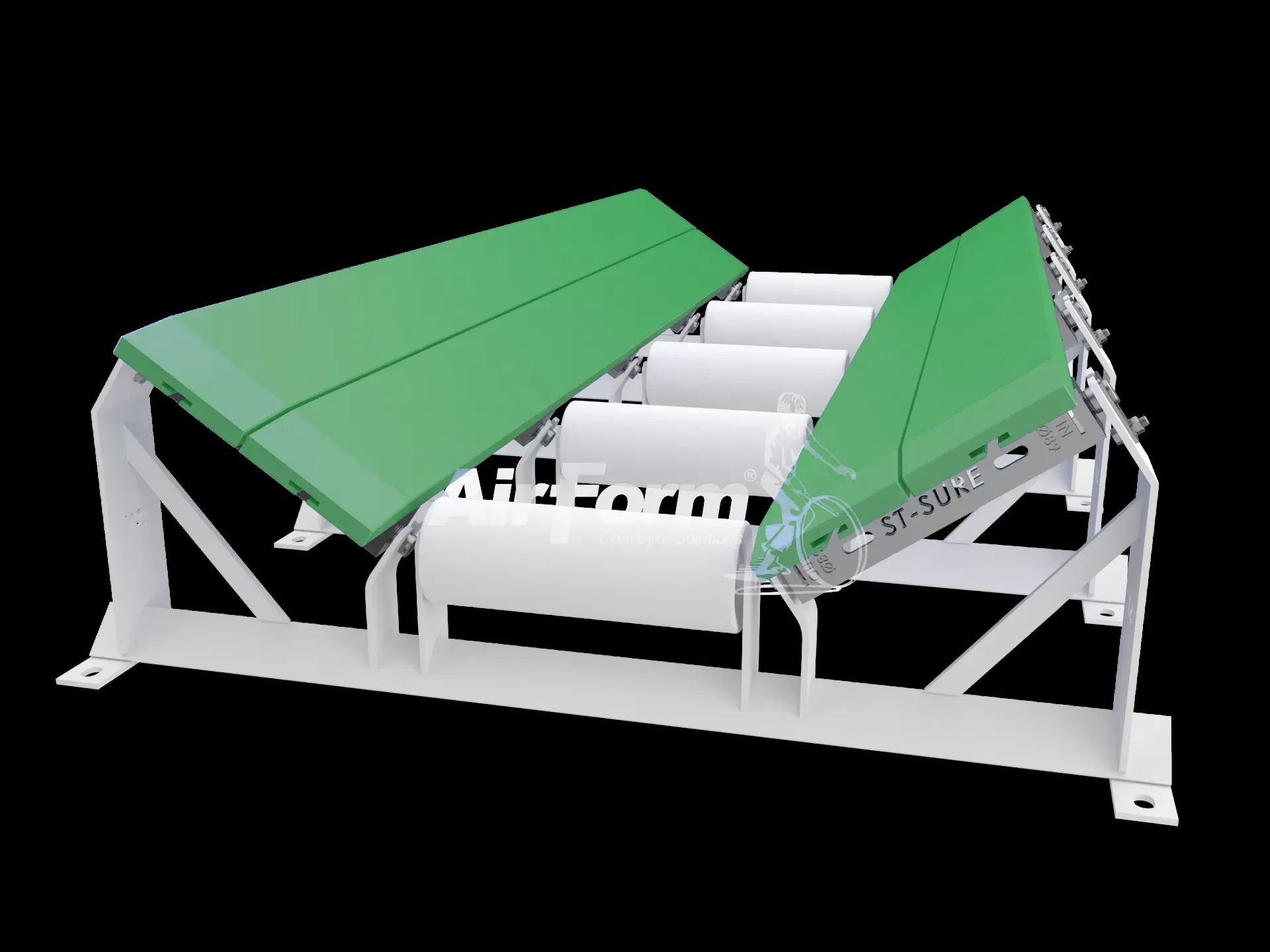
The V-plough scraper directs material that falls onto the inner face of the return belt over the edge, keeping it out of the tail pulley and idlers.
- Position
- Return strand, inner face of the belt
- Construction
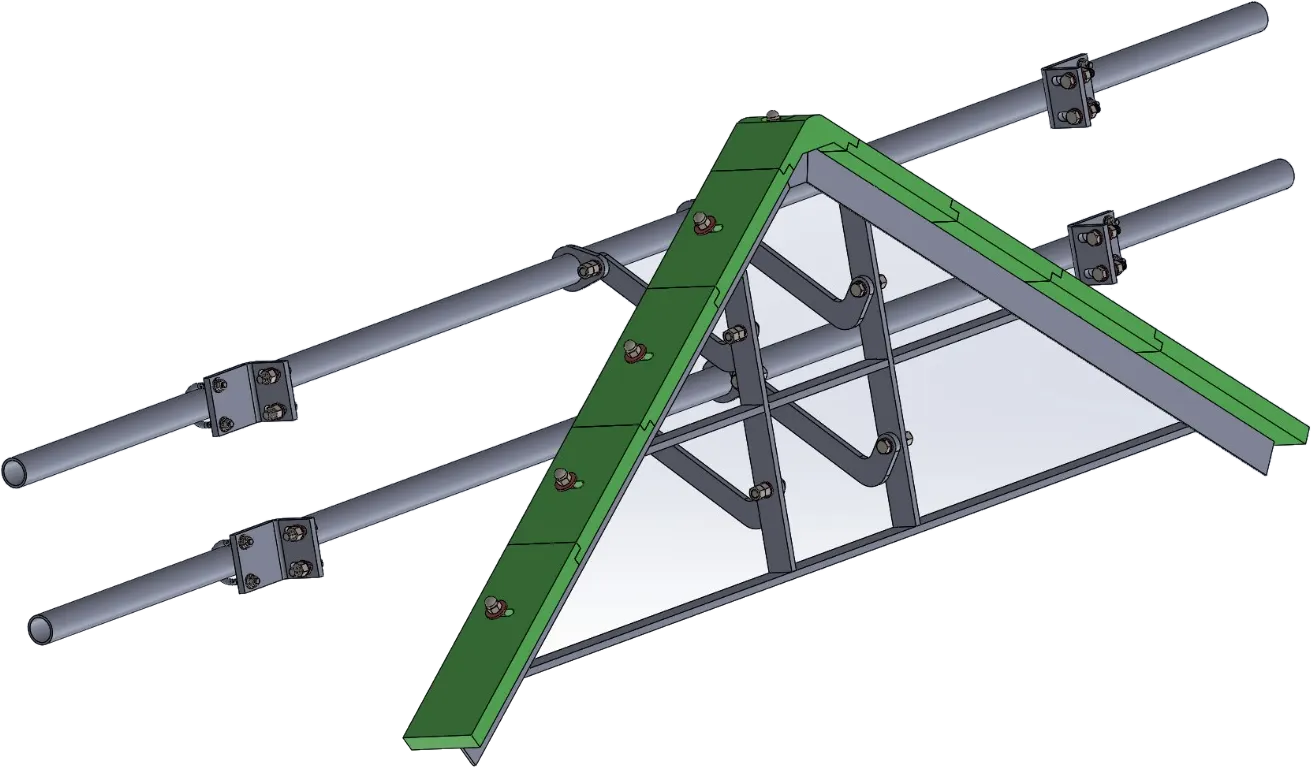
- V-shaped lamella body, carrier frame, two carrier pipes
- Selection criteria
- Material type, working conditions, belt speed and width
Place on the line: Return strand
Product page: airform.com.tr/en/products/belt-scrapers/v-plough-scraper/
V-Plough Scraper
How it is built
V-shaped lamella body
The V-shaped body splits material from the middle of the belt towards both edges and takes it off the belt.
Position on the return strand
The V-plough scraper works on the inner face of the belt on the return strand and removes material before it reaches the tail pulley.
Frame and carrier pipes
A frame carrying the body and two carrier pipes make up the construction.
Pulley and idler protection
Because material does not get into the tail pulley and the idlers, material is not trapped between the belt and the pulley.
Working conditions
- Working temperature
- −10 °C to +50 °C
- pH range
- 3 to 11
- Belt width
- 500 to 2200 mm

Three-roll frame with rubber rings
Three-Roll Tracking Idler
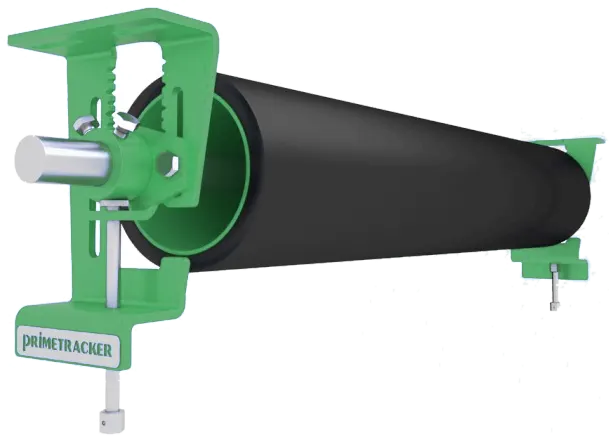
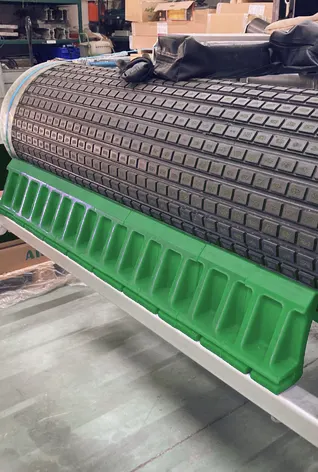
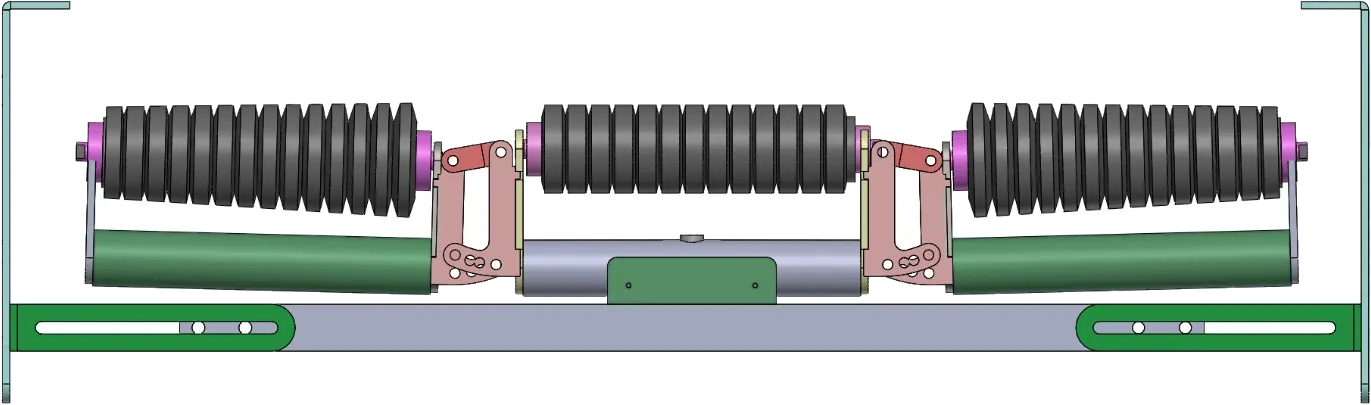
The three-roll tracking idler consists of three rubber-ringed rollers, side mounting brackets and a carrier body that is adjustable in length. It keeps the belt running in the centre and steers it back when it drifts to either side.
- Number of rollers
- 3
- Roller surface
- Rubber rings
- Roller mounting
- Articulated links
- Body
- Carrier body adjustable in length
- Mounting
- Side mounting brackets
- Technical data
- Determined for the line
Place on the line: Return strand
Product page: airform.com.tr/en/products/idlers-rollers/three-roll-tracker/
Three-Roll Tracking Idler
How it is built
Three rubber-ringed rollers
The frame carries three carrying rollers with rubber rings.
Articulated links
The rollers are carried on articulated links.
Adjustable body
The carrier body is adjustable in length, so the frame is set to the mounting dimension on the line.
Side mounting brackets
The frame has side mounting brackets.
Where does it go?
- 1On the return strand
- 2At intervals along the carrying strand
- 3Near the feed zone
- 4At the problem spot
Frequently asked questions
For questions specific to your line, you can contact our technical team.
Which products are in the Airform product catalogue?
The catalogue presents 4 products:
- Primary Belt Scraper: First cleaning at the head pulley
- Secondary Belt Scraper: Second cleaning for fine particles
- V-Plough Scraper: Moves material aside on the return strand
- Three-Roll Tracking Idler: Three-roll frame with rubber rings
Can I download the product catalogue as a PDF?
Where on the conveyor line do the catalogue products work?
- Head pulley: Primary Belt Scraper and Secondary Belt Scraper
- Return strand: V-Plough Scraper and Three-Roll Tracking Idler
How do the primary and secondary scrapers in the catalogue work together?
What does the catalogue give for each product?
How do I request a quote for a catalogue product?
Fill in the quote form. Your request then goes through these steps:
- Request: You fill in the form.
- Review: Our technical team reviews your line details.
- Survey: If needed, we inspect your line on site.
- Quote: We send the suitable model and the quote.